



Table of Contents
What You'll Learn (and Why It Matters)
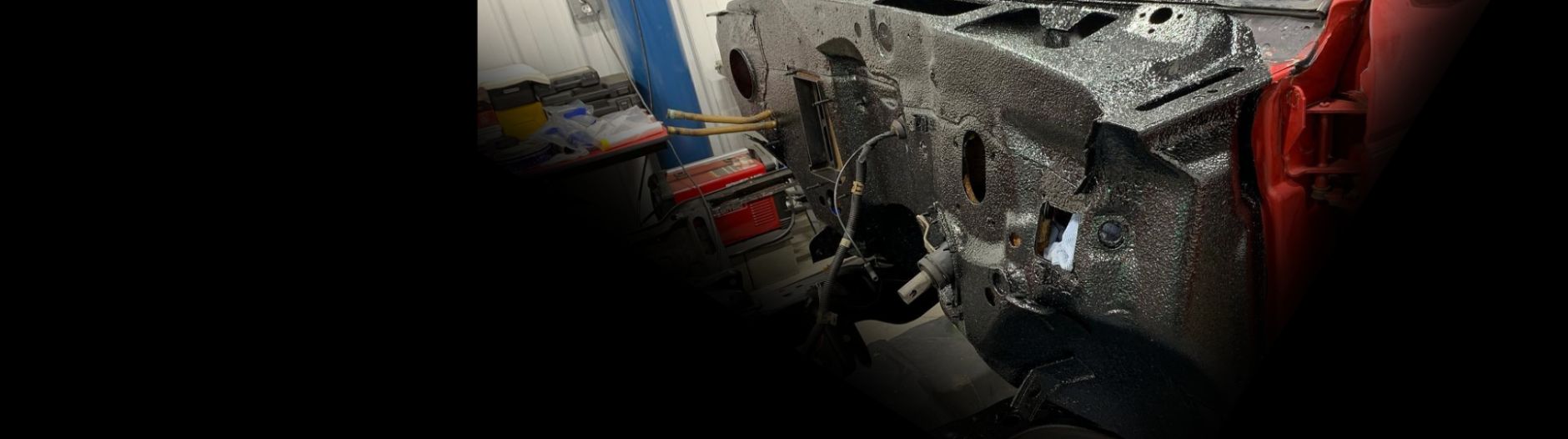
The firewall separates the engine bay from the cabin, but it’s also one of the biggest paths for heat and noise to enter the vehicle. Adding insulation to the firewall helps reduce engine heat entering the cabin and minimize structural noise.
Using the Second Skin system—a sound deadener followed by insulation—helps reduce vibrations in the firewall while improving thermal protection so you can experience the Second Skin difference.
By the End of This Guide, You’ll Be Able To:
- Access and prepare your firewall for insulation to ensure proper installation
- Use sound deadeners to reduce vibration in firewall metal for quieter operation
- Block engine heat from entering the cabin using effective insulation
- Choose the best materials for cabin-side vs. engine-side installations
- Improve overall cabin comfort with proper firewall insulation

Skill
Intermediate

Article Read Time
~6 minutes

Build Time
1–3 hours
Key Tools and Materials You'll Need
Key Tools
Key Materials


Step-by-Step: How to Insulate a Car Firewall
Step 1: Prepare the Firewall
Step 1: Prepare the Firewall
Key Tip
Step 2: Apply Sound Deadener to the Firewall Metal
Step 2: Apply Sound Deadener to the Firewall Metal
Key Tip
Step 3: Apply Firewall Insulation or Firewall Heat Shield
Step 3: Apply Firewall Insulation or Firewall Heat Shield
Key Tip
Step 4: Reset Firewall Over Materials
Step 4: Reset Firewall Over Materials
Key Tip
Which Kit Is Right For You?
| Feature | Standard Firewall Insulation Kit | Large Firewall Insulation Kit |
|---|---|---|
| Coverage | 13.5 Sq Ft | 20 Sq Ft |
| Sound Reduction | High | High |
| Thermal Protection | Strong | Strong |
| Best For | Smaller firewall areas or partial installs | Large firewalls or full coverage |
| Price | $299.99 | $389.99 |
| Shop Standard Kits | Shop Large Kits |
Experience Matters: Why Second Skin?

25+ Years
in business

3,500+
5-star reviews

Used By
professional installers and DIY enthusiasts

Made in the USA
Headquarters in Charlotte, NC

Featured In
West Coast Customs, Graveyard Carz, Gas Monkey Garage, Steve Meade, SEMA


