


Damplifier Pro™ Sound Deadening Mat
In stock. This product ships in 1 business day.
Square Footage Calculator
Damplifier Pro™ Sound Deadening Mat
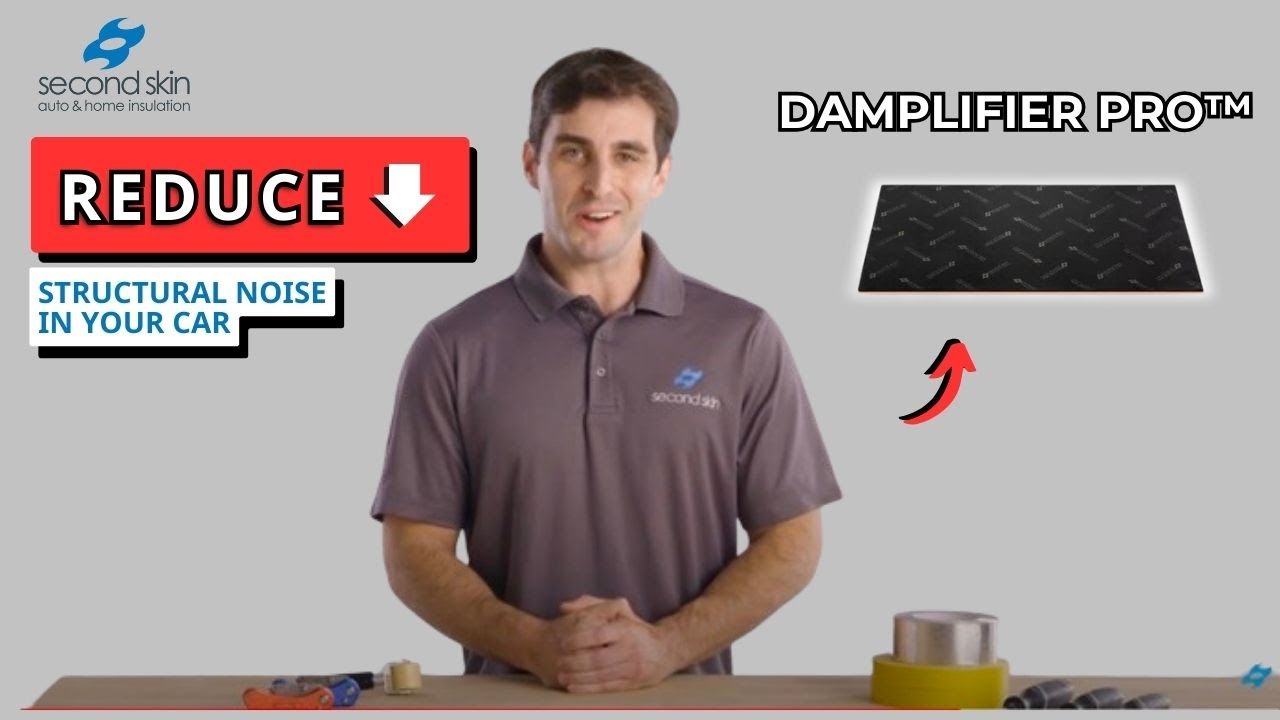
Damplifier Pro is our premium sound deadening mat — engineered for the highest performance per pound added to your vehicle. Built with an elastomeric butyl compound (no asphalt, no fillers) and an annealed black foil constraint layer, Damplifier Pro outperforms top-brand flagship deadeners while staying lighter than competitors. Combine with Luxury Liner Pro as a one-two punch against airborne road noise.
Features
- High quality composition — no cheap fillers, no asphalt
- Extreme metal constraint due to sturdy annealed foil
- Temperature rated from –75°F to 450°F
- Passes FMVSS 302 Flammability Test (self-extinguishing)
- Passes SCAQMD Rule 1168 VOC testing (zero VOCs)
- Guaranteed adhesion for the life of your vehicle
- Proudly made in the USA
Damplifier Pro isn't just for cars — it's effective on any vibrating metal, from HVAC ducts to generator quiet boxes.
Couldn't load pickup availability
Specs
Specs
| Dimensions | 12" x 20" (1.67 sq ft) |
| Thickness | 2mm (80 mils) |
| Weight | 0.70 lbs per sq ft |
| Foil Constraint Layer | Black, annealed foil with ghosted Second Skin logos |
| Max Temperature Rating | 450°F |
| Adhesion | Guaranteed for the life of your vehicle |
| Apply To | Metal or fiberglass |
| Compound | Elastomeric butyl (no asphalt, no fillers) |
Material Testing
Material Testing
| Tested Properties | Testing Method | Performance |
| Fire Rating | FMVSS 302 | Self Extinguishing |
| VOC Testing | SCAQMD Rule 1168 | Zero VOCs |
| Salt Spray Aging | ASTM B117 (250 hours) | Pass |
| Heat Aging | 190°F (250 hours) | Pass |
| Humidity Aging | 100°F/100RH (250 hours) | Pass |
| Environmental Cycle Aging | 250 hours | Pass |
| Sag Test | 400°F (4 hours) | No Movement |
| Cold Slam Test (Ford Motors) | -40°F (4 hours) | Pass (6 slams) |
Installation Instructions
Installation Instructions
- Remove plastic panels, upholstery, and insulation to expose bare sheet metal.
- Remove debris, rust, and waxy oils. Clean surface with denatured alcohol (NOT a degreaser).
- Cut Damplifier Pro using a utility knife — either freehand or using a template. We recommend wearing gloves.
- Remove wax paper backing. Stick the tacky butyl adhesive to the metal surface.
- Use a Wooden Hand Roller to roll out any air pockets and create a permanent bond. A better bond further increases performance.
- Combine with a second layer like Luxury Liner Pro for the ultimate way to soundproof a car.
For more pro tips, check out our article on how to install sound deadening or our Video Library.

1. Peel

2. Stick

3. Roll
Common Product Uses
Common Product Uses
- Damplifier Pro is our flagship automotive sound deadener — premium elastomeric butyl delivers maximum vibration damping per pound of weight.
- Automotive: cars, trucks, vans, RVs, motorcycles, marine, aerospace, electric vehicles
- Residential: generator quiet boxes, dishwasher enclosures, screen doors, computer tower walls, washer/dryer panels, stainless steel sinks
- Commercial/Industrial: HVAC ducts, machinery, metal furniture, coin counting equipment, robotics, military applications
Shipping Details
Shipping Details
Resources
Installation Guides
Spec Sheets
Technical Data

Vibrating Metal is Loud!


OEM Approved

Reduce Road Noise

Thermal Insulation

Vibration Damper
Vehicle Square Footage Calculator
How Much Damplifier Pro™ Sound Deadening Mat Do I Need?
Step 1: Select your vehicle type
Step 2: Select the areas you want to cover
Step 3: Estimated Vehicle Coverage
Damplifier Pro Guarantee
- Open the box. Hold the Damplifier Pro in your hands.
If you don’t like it, send it back to us. - We know nothing else compares, because we know
what else is out there. - It’s the Second Skin difference.
GUARANTEED...
Best NVH
Made in USA
Superior Adhesion
Improved Ride Experience
Last Lifetime of Vehicle
Results Will Blow You Away
Best Thermal Rating
Zero VOCs
Product FAQs
| Priority | Restoration / Road Noise |
| Primary | Cabin Firewall/Floor, Tops of Wheel Wells, Outer Door Skin |
| Secondary | Roof, Hood, Trunk |
| Tested Property | Test Standard | Result |
| Fire Rating | FMVSS 302 | Self-Extinguishing |
| VOC Testing | SCAQMD Rule 1168 | Zero VOCs |
| Salt Spray Aging | ASTM B117 (250 hours) | Pass |
| Heat Aging | 190°F (250 hours) | Pass |
| Humidity Aging | 100°F/100RH (250 hours) | Pass |
| Environmental Cycle Aging | 250 hours | Pass |
| Sag Test | 400°F (4 hours) | No Movement |
| Cold Slam Test (Ford Motors) | -40°F, 6 slams | Pass |